


Blockchain. It’s one of those buzzwords that gets thrown around in tech circles, financial discussions, and even government policy meetings. But what is it, really? Is it just about cryptocurrencies like Bitcoin, or is there more to this revolutionary technology? Let’s break it down, piece by piece, and understand why blockchain might just be the most significant innovation of the 21st century.
The Basics: What is Blockchain?
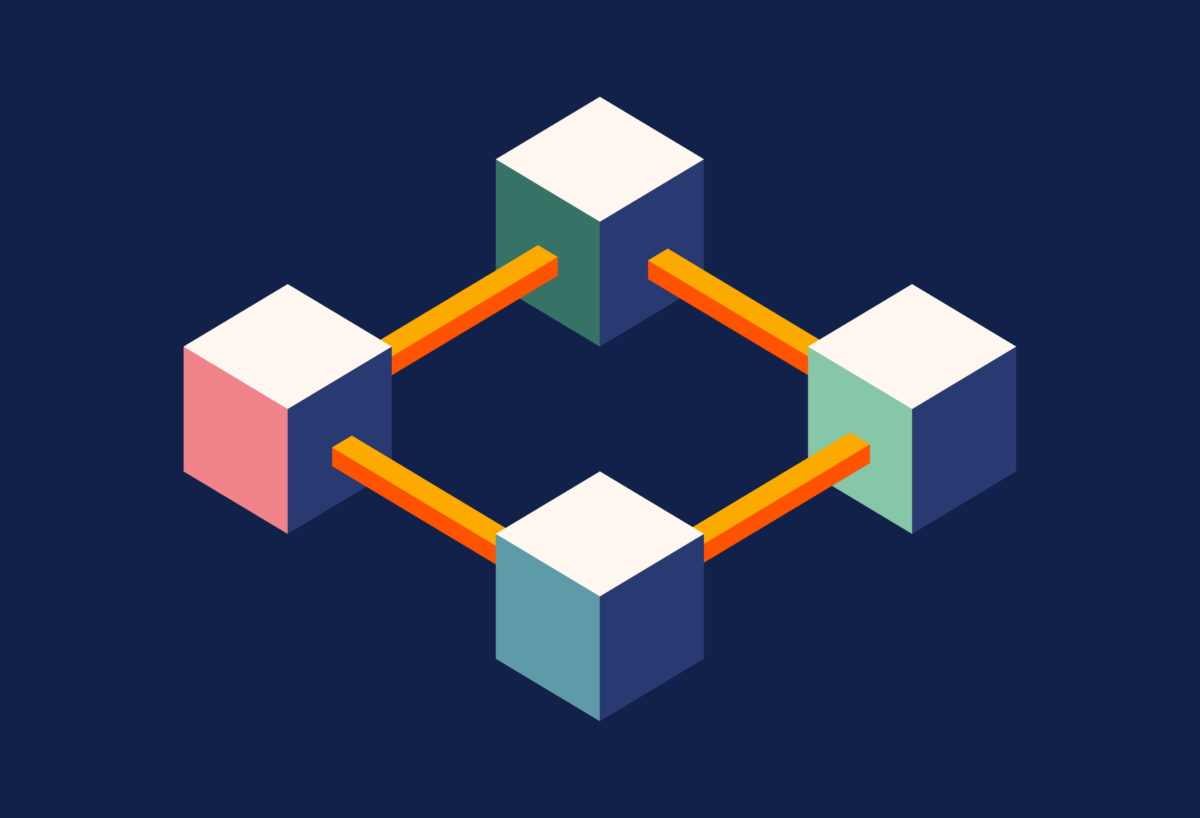
At its core, blockchain is a decentralized, distributed ledger that records transactions across multiple computers in a way that ensures security, transparency, and immutability. Unlike traditional databases controlled by a central authority, blockchain operates through a network of nodes (computers) that work together to validate and store transactions.
Each block in the blockchain contains:
- A list of transactions
- A timestamp
- A cryptographic hash of the previous block
This structure forms an immutable chain, making it nearly impossible to alter past transactions. If someone tries to tamper with a block, they’d have to change every subsequent block in the network—a feat practically impossible due to the computing power required.
How Blockchain Works: A Step-by-Step Breakdown
1. Transaction Initiation
A user initiates a transaction, such as sending cryptocurrency, recording a contract, or even storing medical records on the blockchain.
2. Transaction Verification
The transaction is broadcast to a network of nodes. These nodes validate the transaction using consensus mechanismslike Proof of Work (PoW) or Proof of Stake (PoS).
3. Block Formation
Once verified, the transaction is grouped with others into a block. Each block contains a unique identifier (hash) from the previous block, linking it to the chain.
4. Adding the Block to the Chain
The validated block is added to the blockchain, forming a permanent and unchangeable record.
5. Completion and Transparency
The transaction is complete, and all participants have access to an updated, transparent ledger.
Types of Blockchain
Blockchain isn’t a one-size-fits-all technology. Depending on the use case, different types of blockchains exist:
- Public Blockchain
- Open to everyone (e.g., Bitcoin, Ethereum)
- Fully decentralized
- Highly secure but slower in processing transactions
- Private Blockchain
- Permissioned network (used by enterprises like IBM and Microsoft)
- Faster transaction processing
- More control but less decentralization
- Consortium Blockchain
- A hybrid model where multiple organizations manage the network (e.g., banking networks)
- Balances transparency with privacy
- Hybrid Blockchain
- Combines elements of public and private blockchains
- Useful for scenarios where selective data privacy is needed
Consensus Mechanisms: How Blockchain Ensures Security
Blockchain eliminates the need for a central authority by using consensus mechanisms—protocols that ensure every transaction is legitimate. The two most popular ones are:
- Proof of Work (PoW) – Used by Bitcoin, PoW requires nodes to solve complex mathematical puzzles to validate transactions. This method is secure but consumes massive computational power.
- Proof of Stake (PoS) – Used by Ethereum 2.0, PoS selects validators based on the number of tokens they hold. It’s more energy-efficient than PoW but introduces new security concerns.
Beyond Cryptocurrency: Real-World Applications of Blockchain
While Bitcoin put blockchain on the map, its applications extend far beyond digital currencies. Here’s how blockchain is reshaping industries:
- Finance & Banking
- Faster cross-border payments (Ripple, Stellar)
- Fraud prevention through immutable transaction records
- Supply Chain Management
- Transparency in product sourcing (IBM Food Trust for tracking food safety)
- Reducing counterfeit goods in industries like luxury brands and pharmaceuticals
- Healthcare
- Secure patient records
- Reducing medical fraud and ensuring accurate diagnosis history
- Real Estate
- Smart contracts for property sales
- Eliminating the need for intermediaries
- Voting Systems
- Transparent and tamper-proof digital voting
- Increasing trust in electoral processes
Challenges and Limitations of Blockchain
Despite its advantages, blockchain has its share of challenges:
- Scalability Issues: Public blockchains struggle with transaction speed (Bitcoin processes 7 transactions per second vs. Visa’s 65,000 per second).
- Regulatory Concerns: Governments are still figuring out how to regulate decentralized networks.
- Energy Consumption: PoW blockchains require vast amounts of energy, leading to environmental concerns.
- Adoption Barriers: Many industries hesitate to integrate blockchain due to technical complexities and lack of awareness.
The Future of Blockchain
The technology is still evolving, with continuous improvements like:
- Layer 2 solutions (e.g., Lightning Network) to enhance scalability
- Eco-friendly consensus mechanisms like Proof of Stake
- Interoperability between blockchains for seamless data sharing
As blockchain matures, it will become a fundamental pillar of our digital future, transforming industries and redefining trust in the digital world. Whether it’s finance, healthcare, governance, or supply chain—blockchain is here to stay.